Within the first to third month, the glutathione begins to show results

DISSECTION P325 - ESOC25-1819 INTERNATIONAL INTRACRANIAL DISSECTION STUDY (I-IDIS): DEMOGRAPHICS, RISK FACTORS AND CLINICAL CHARACTERISTIC OF 110 PATIENTS Barbara Birner 1 , Elias Auer 1 , Christina Leistner 2 , Hakan Sarikaya 2 , David Seiffge 2 , Barbara Goeggel Simonetti 2 , Masatoshi Koga 3 , Stephanie Debette 4 , Michelangelo Mancuso 5 , Stefan Engelter 6 , Christopher Trnka 6 , Jukka Putaala 7 , Marcel Arnold 2 , Bastian Volbers 2 1 Department of Neurology, Inselspital, Bern University Hospital, and University of Bern, Switzerland., Bern, Switzerland, 2 Department of Neurology, Inselspital, Bern University Hospital, and University of Bern, Switzerland, Bern, Switzerland, 3 Department of Cerebrovascular Medicine, National Cerebral and Cardiovascular Center, Suita, Japan, Suita, Japan, 4 Department of Neurology, Institute for Neurodegenerative Diseases, CHU de Bordeaux, Bordeaux, France., Bordeaux, France, 5 Department of Clinical and Experimental Medicine, Neurology Unit, University of Pisa, Pisa, Italy, Pisa, Italy, 6 Stroke Center and Department of Neurology, University Hospital Basel and University of Basel, Basel, Switzerland, Basel, Switzerland, 7 Department of Neurology Helsinki University Hospital and University of Helsinki Finland, Helsinki, Finland Background and Aims: While knowledge of extracranial cervical artery dissection (CeAD) has increased based on large clinical studies, knowledge on intracranial artery dissection (IAD) is limited
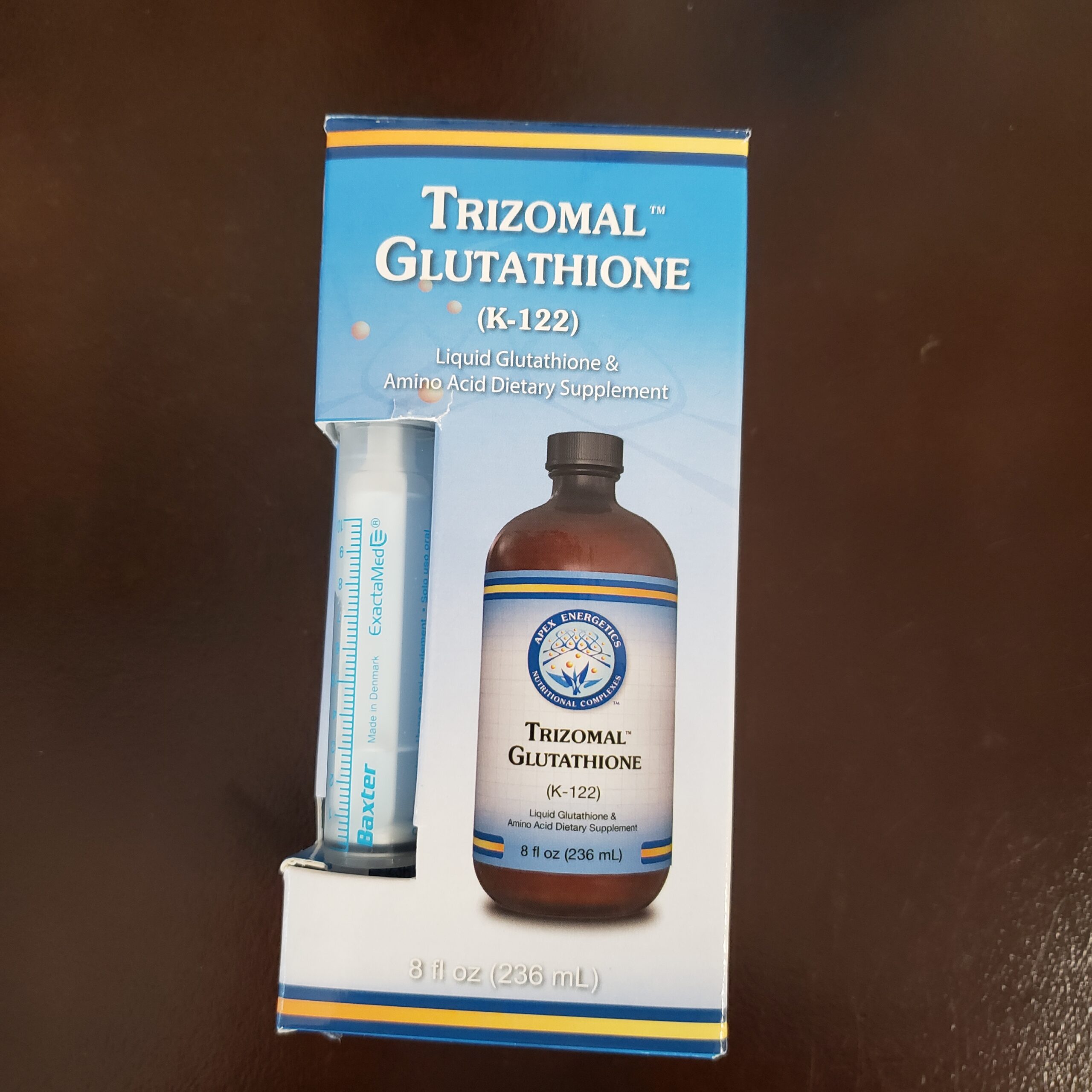
WHY GHK-CU IS POPULAR IN AUSTRALIA
& Prato, M